APPROACH
Delivering Impact


Ecosystem restoration
We regenerate degraded landscapes through selective bush thinning, improving biodiversity, grazing capacity, and water resilience.


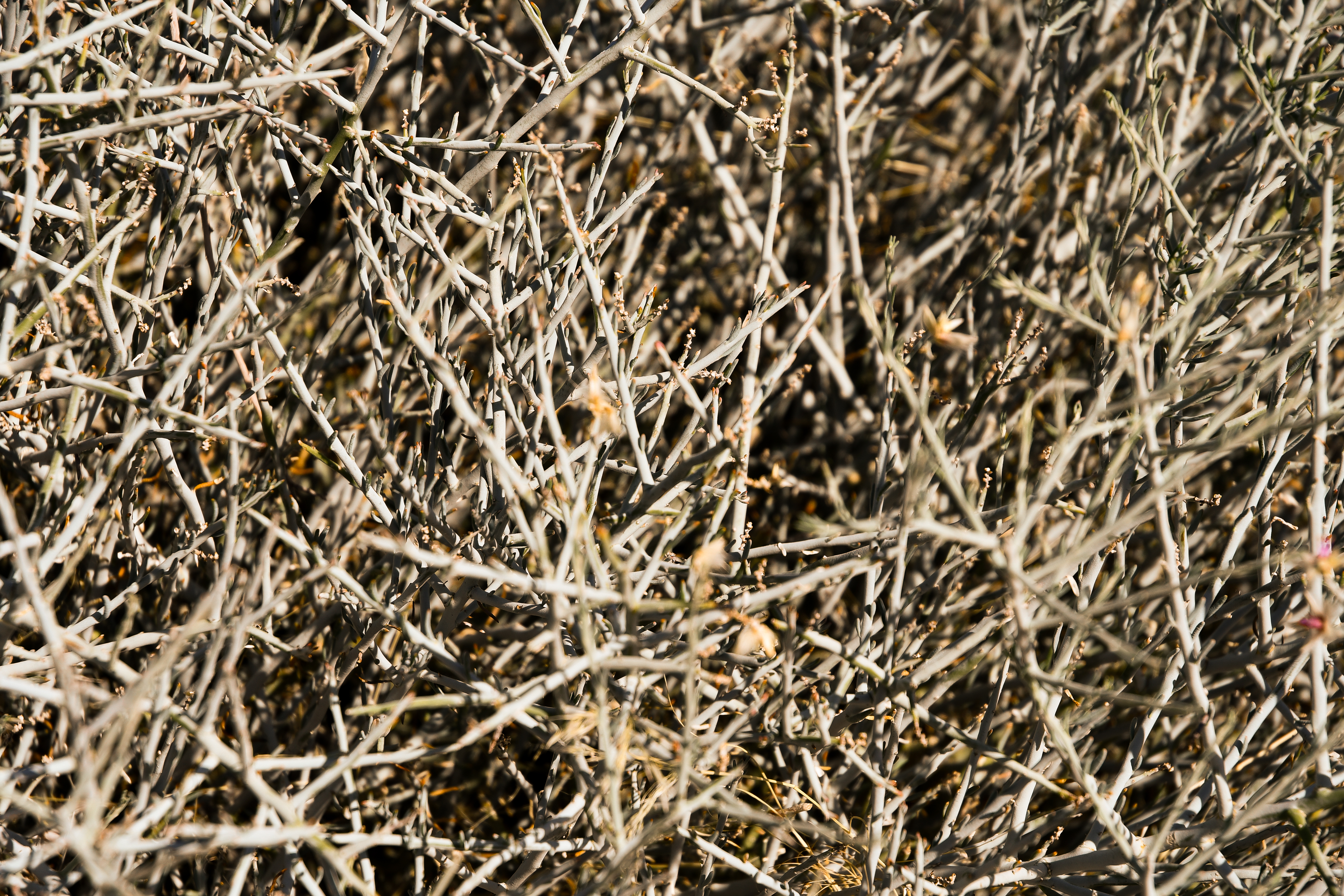
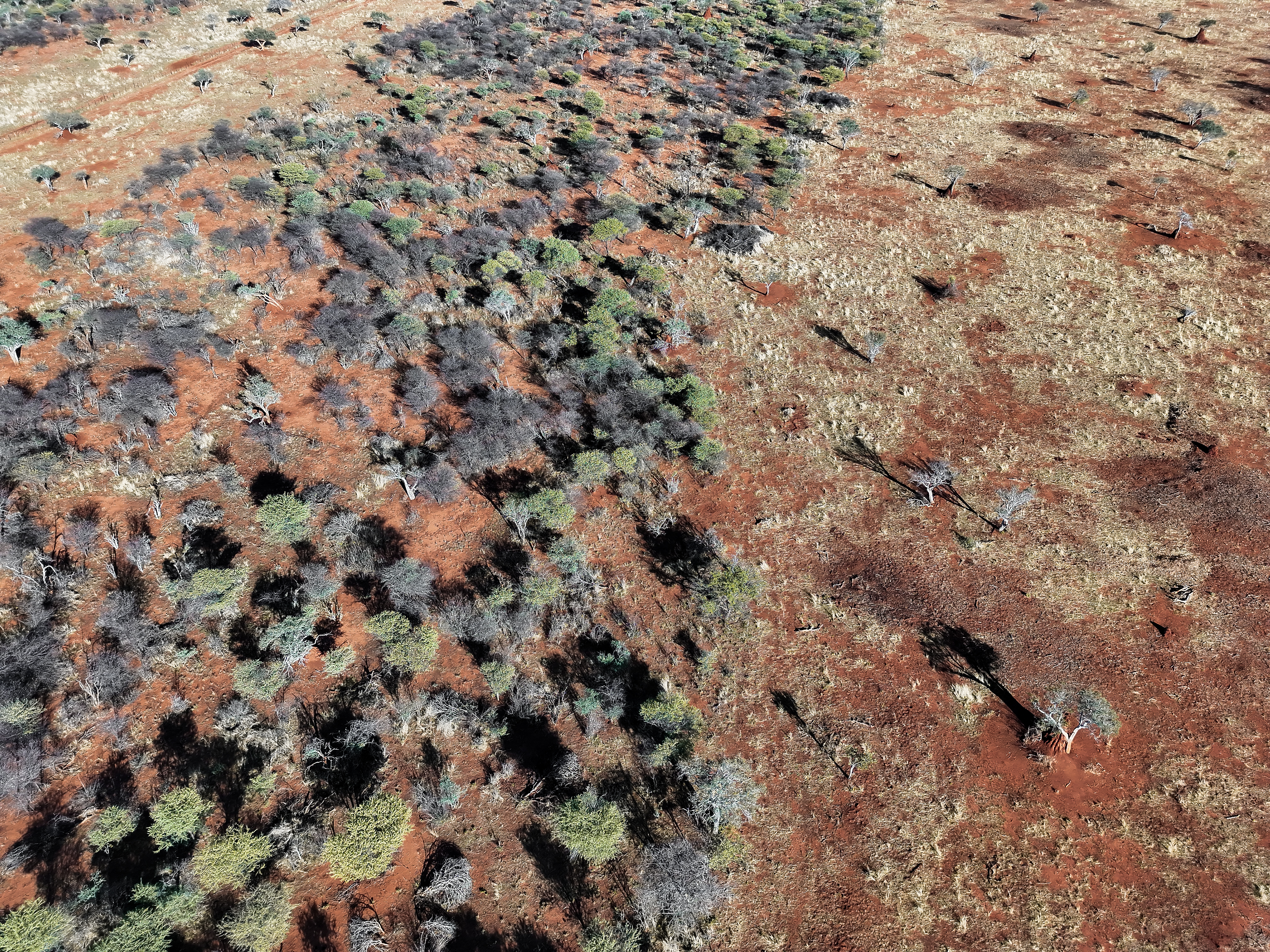
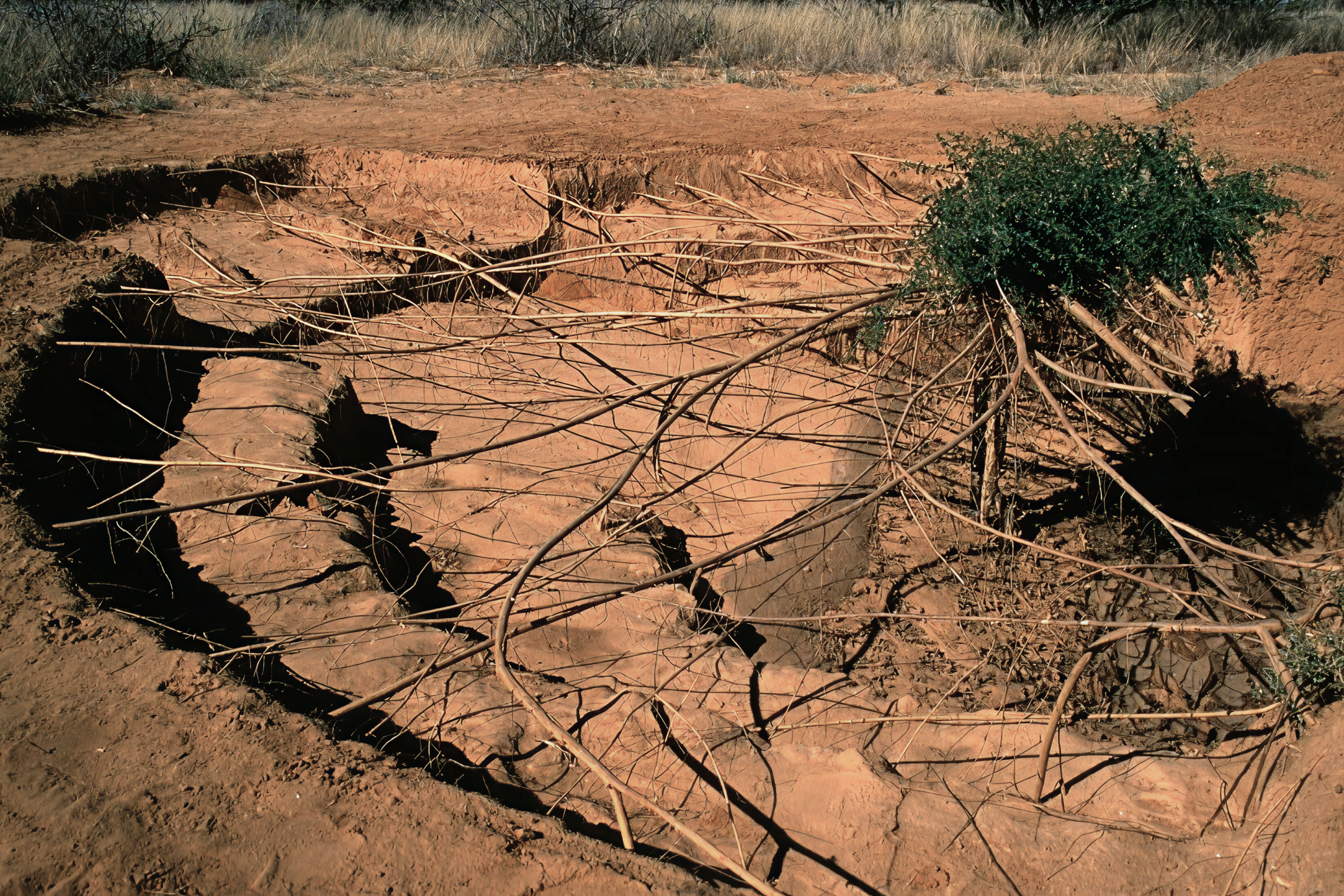
Bush encroachment in Namibia

Scalable Carbon Removal: Biomass Storage


1 - Selective Harvesting
Local teams selectively remove unwanted bush, improving rangeland health and creating jobs.

2 - Processing
Biomass is processed and dried, optimizing it for stable storage.
3 - Vaulting
The material is sealed in oxygen-deprived underground vaults, where it can’t decompose.
4 - Monitor and Renew
Each vault is sensor-equipped for 24/7 monitoring. Once complete, the surface is restored — wildlife returns, grasslands recover, and the vault disappears back into the landscape.
The carbon credits we generate through this process are certified by puro.earth.
Read more about it here.
Impact
Community
Climate
Ecosystems


The removal of the carbon-rich bush removes atmospheric CO₂.
The biomass storage process restores biodiversity. Within 8 months grass growth is visible and animals return to the land.
We work with local partners to create jobs, strengthen rural livelihoods, and ensure restoration benefits flow back to communities.
Our partners


